
In a global Internet environment, choosing the right server is crucial for both business and individual users. Malaysian servers are gradually favored by users due to their high-quality network connection and stable performance. This article will explore tips and FAQs for using Malaysian servers to help users better utilize this resource.
Choose the right Malaysian server provider
Before using a Malaysian server, you need to first choose the right server provider. Quality providers usually have good reputation, technical support and service levels. It is recommended that users understand the service quality of each provider by checking user reviews, industry rankings, and technical forums. Additionally, the provider’s server location, bandwidth and security are important considerations to ensure that your business needs are met.
Optimize website performance
Optimizing website performance is particularly important after using Malaysian servers. You can improve website loading speed by enabling content distribution network (CDN), compressing web page elements, optimizing image size, etc. Additionally, regularly monitoring the performance of your website, through tools such as Google PageSpeed Insights, you can help you understand what needs improvement. Optimizing website performance can not only improve user experience, but also improve search engine rankings.
Ensure data security
When using Malaysian servers, data security is a problem that cannot be ignored. It is recommended that users backup data regularly and use SSL certificates to encrypt the transmission of data. In addition, ensure that the server's operating system and applications are updated in a timely manner to prevent security vulnerabilities from being exploited by attackers. The use of firewalls and intrusion detection systems can also further ensure data security and avoid data breaches and cyber attacks.
Understand local laws and regulations
When using servers in Malaysia, it is important to understand local laws and regulations. The requirements for data storage and privacy protection in different countries may vary. Users should ensure that relevant Malaysian laws are followed, especially in terms of processing user data and privacy. In addition, understanding content regulatory policies can also help users avoid unnecessary legal risks and ensure that the website content is legal and compliant.
Monitor server performance
Regular monitoring of Malaysian server performance is key to ensuring their proper operation. Use performance monitoring tools to understand the server's load status, bandwidth usage, and response time in real time. Through this data, users can promptly identify potential problems and make adjustments to ensure the stability and usability of the website. In addition, regularly generating performance reports can also help you better evaluate the performance of your server.
FAQ
Users may encounter some common problems when using Malaysian servers. Here are some questions and answers:
1. How to choose the appropriate server configuration?
When selecting a server configuration, you need to consider comprehensively based on the website's visits, functional requirements and budget. Generally speaking, websites with higher traffic require higher processing power and storage space.
2. Will using a Malaysian server affect website speed?
The geographical location of the server affects access speed, but Malaysia's network infrastructure is relatively good, so it won't affect speed in most cases.
3. How to deal with server failures?
When encountering a server failure, first contact the service provider's technical support to obtain specific troubleshooting steps. At the same time, keeping data backed up can quickly restore the website if necessary.
Summary and suggestions
Using Malaysian servers provides users with a good opportunity to optimize network performance and improve data security. Users can effectively utilize this resource by selecting the right provider, optimizing website performance, ensuring data security, understanding laws and regulations, and regularly monitoring server performance. In the face of common problems, timely access to technical support and appropriate solutions will help ensure the stable operation of the server. Hope this article provides practical guidance and help when using Malaysian servers.
- Latest articles
- In-depth analysis of the pricing of AWS cloud servers in the U.S., along with hidden costs and cost-saving strategies
- Comparison Guide for Japanese Cloud Server Accelerators for Gaming and Video Services
- Best Practices for Accelerating Long-Video Distribution Using Cambodia’s Video Cloud Servers in Collaboration with CDN
- Examples of operational scenarios. What does “Korean original IP” mean? Cases of social media and traffic control
- Technical analysis: Is Cherry VPS a Japanese-based IP address, and what is its impact on latency?
- Architect’s perspective: Which data center in Hong Kong has better server stability and performance? Analysis
- List of Qualifications and Registration Procedures to Be Aware Of Before Buying Cloud Servers in Thailand
- Solutions for cross-border players to stably connect to Taiwan servers of flight simulation games
- Engineering Case Study: Communication Line Layout in Server Rooms – High-Density Fiber Optic Cabling Solutions in Germany
- Best Practices for Network Performance Monitoring and Alerting in Alibaba Cloud’s CN2 Networks in Singapore and Hong Kong
- Popular tags
-
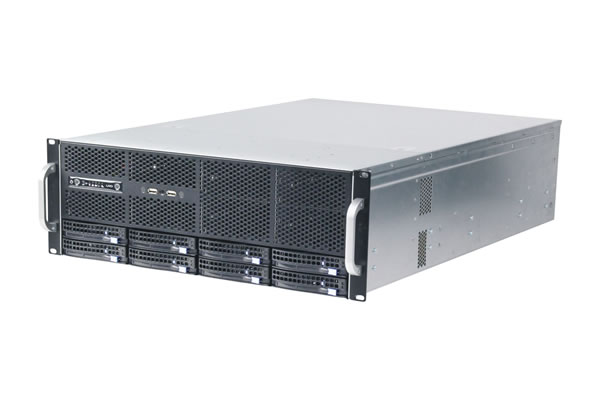
Share the experience of using CN2 server in Malaysia with three networks
Share the experience of using CN2 server in Malaysia and discuss its advantages and applications in three-network interoperability. -
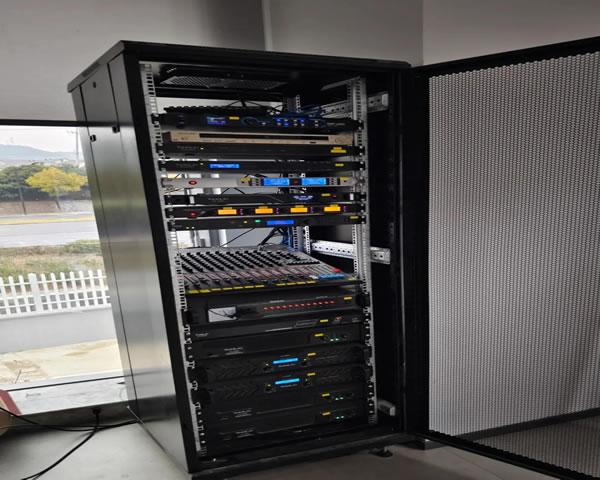
how to quickly find the best option for computer servers in malaysia
this article will provide you with the best options for choosing a computer server in malaysia, including considerations, service types, and vendor recommendations to help you find the right server quickly. -

key factors to consider when choosing a malaysian server
this article introduces the key factors to consider when choosing a server in malaysia, including server performance, network stability, customer support, etc., to help you make an informed decision.